
MTHFR Gene: Symptoms, Testing, Mutation Types, and Treatment Guide
Do you know that almost every cell in your body requires active folate to function properly?
What is the MTHFR Gene?
The MTHFR gene (methylenetetrahydrofolate reductase) provides the instructions for making an enzyme that plays a central role in how your body processes folate and methyl groups. These two processes are essential for DNA repair, neurotransmitter production, detoxification, cardiovascular health, fertility, and hundreds of biochemical reactions involved in overall wellbeing.
The MTHFR gene’s primary job is to convert folate from food or supplements into its active form, 5-methyltetrahydrofolate (5-MTHF). This active folate is required to recycle homocysteine into methionine, produce SAMe (the body’s main methyl donor), and support healthy methylation. When methylation is impaired, systems such as energy production, hormone balance, immune regulation, and neuronal function can be affected.
Everyone has the MTHFR gene, but some people carry MTHFR gene variants (polymorphisms) that reduce the efficiency of the enzyme. The two most researched are C677T and A1298C. These variants can influence how well a person activates folate, clears homocysteine, and supports methylation pathways. For some individuals, this can contribute to fatigue, inflammation, pregnancy complications, fertility challenges, cardiovascular risk, mood disorders, and reduced detoxification capacity.
Understanding your MTHFR gene status does not diagnose a condition—it helps you identify how your folate and methylation pathways function so you can personalise nutrition and lifestyle choices. Through targeted dietary strategies, methylation-supportive nutrients, and functional testing, many people with MTHFR variants can optimise their health and significantly improve symptoms.

If you’re reading this, it probably means you have recently discovered you have an MTHFR polymorphism (this means mutation or change from the normal version) and you’re wondering how this affects your health, and in particular, how this may be impacting your health.
If you’ve been searching the web for answers, you might be getting very confused by the contradicting advice out there.
Some might tell you it’s not a big problem and not to worry about it. Others may tell you it is a problem and if you take high doses of folic acid, then it’s resolved.
Then there are those that may tell you that folic acid is the worst thing to take if you have a slow MTHFR enzyme, and to avoid it altogether!
Common MTHFR Gene Variants (C677T, A1298C)
The two most researched MTHFR gene variants are C677T and A1298C. These natural genetic differences occur in the MTHFR gene and can influence how efficiently the MTHFR enzyme activates folate and supports methylation. While these variants are common in the population, their impact varies from person to person depending on diet, stress, inflammation, gut health, toxin exposure, and overall nutrient status.
MTHFR C677T Variant
The C677T variant affects the part of the MTHFR gene responsible for temperature stability of the enzyme. Individuals who carry one (CT) or two (TT) copies of this variant may have reduced enzyme activity, particularly when under metabolic stress. Research shows:
- CT (heterozygous) typically results in about 35–40% reduced enzyme efficiency.
- TT (homozygous) may reduce enzyme activity by up to 70%.
When the enzyme is slower, the body may have difficulty converting folic acid and dietary folate into its active form, 5-MTHF. This can lead to elevated homocysteine, impaired methylation, and increased nutritional requirements for activated folate, B12, and other methylation cofactors.
MTHFR A1298C Variant
The A1298C variant affects a different functional region of the MTHFR gene, largely influencing neurotransmitter regulation and BH4 (tetrahydrobiopterin) recycling. BH4 is essential for the production of serotonin, dopamine, nitric oxide, and other critical molecules.
Unlike C677T, this variant typically does not significantly elevate homocysteine, but it can affect mood, stress response, nitric oxide balance, and detoxification of environmental toxins.
Compound Heterozygous (C677T + A1298C)
Some people inherit one copy of each variant, known as compound heterozygosity. This combination can influence methylation efficiency, folate activation, and neurotransmitter pathways. Although enzyme reduction is usually moderate, clinical symptoms may be more noticeable when combined with poor diet, chronic stress, inflammation, or environmental exposures.
Why Understanding Your MTHFR Variants Matters
Knowing whether you carry C677T or A1298C helps you and your practitioner tailor nutritional strategies, choose the right form of folate, optimise methylation, and support areas such as fertility, pregnancy, cardiovascular health, mood, and detoxification. MTHFR gene variants do not determine your health destiny—they simply guide more personalised and effective care.
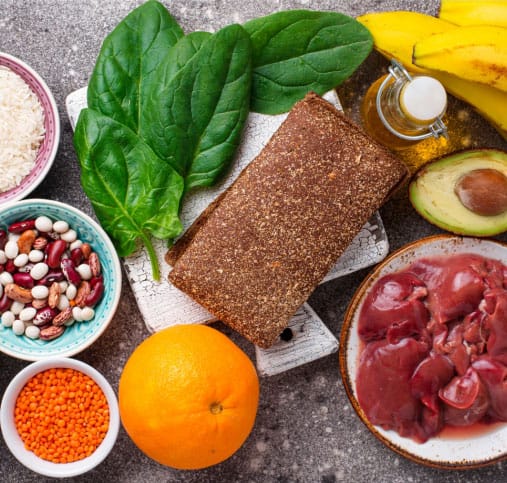
Find out more about what MTHFR is - download our free ebook
Watch our introductory Webinar recording on ‘What is MTHFR?”
The MTHFR gene helps you make methyl folate. Next methyl folate helps you make the little methyl groups that your body uses for the following:
- Combating Stress
- Supporting detoxification
- Clearing toxic estrogen (you might have endometriosis, fibroids, heavy periods, mood changes)
- Reducing anxiety
- Supporting brain and mood
- Having a good creatine for muscles
- Having a good memory
- Creating healthy levels of hormones
- Supporting sleeping well
- Having a robust immune system
- Playing a role in fighting cancer
- And many more
So, if you are deficient in methyl folate, any or all of these above functions may be affected. And the issue is that the more you are exposed to different stressors, the more you may be affected by the lack of folate.
I liken it to this scenario:
Imagine you are driving down a freeway and in your lane there are a lot of potholes, then it doesn’t really matter the age of your car, it will get damaged. It doesn’t matter how well you look after your car, it will still get damaged. But imagine if I came along with a road crew team and plugged up all these potholes? It doesn’t really matter how old the car is, it will be able to travel along ok.
Imagine now your MTHFR polymorphism is a pothole. How many you have (see explanation below) will determine how deep the pothole is.
Then let’s say you are driving along in your pothole free lane and a storm hits, you generally will be able to keep in your lane pretty well.
That’s how we think of your health. Do you have big potholes that need to be fixed?
How many environmental storms have you had that knocked you around before the potholes were plugged. This is why some of you feel really knocked around.
So the answer to the BIG question – What impact does MTHFR have on my health, is really how big the potholes are and how many storms have you tried to weather. These environmental storms may be viruses, flu, COVID, gut infections, exposure to mould, parasites.
If you want to know specifically how MTHFR can affect your fertility, see here.

How the MTHFR Gene Affects Methylation
The MTHFR gene plays a central role in the body’s methylation cycle—one of the most important biochemical pathways for energy, detoxification, hormone balance, fertility, mental health, and DNA repair. Methylation is the process of adding a “methyl group” (one carbon and three hydrogens) to molecules so they can be activated, deactivated, or safely metabolised.
To function properly, the methylation cycle requires a steady supply of active folate (5-MTHF). This is where the MTHFR gene becomes essential.
The MTHFR Gene Converts Folate Into Its Usable Form
The enzyme produced by the MTHFR gene converts folate from food—or folic acid from fortified foods—into 5-methyltetrahydrofolate (5-MTHF). This is the only form that can donate methyl groups to homocysteine to create methionine.
If the MTHFR enzyme is slower because of genetic variants such as C677T or A1299C, the body cannot efficiently create 5-MTHF. This can reduce the supply of methyl groups available for methylation and folic acid (a synthetic chemical) can build up in the cells and become problematic.
5-MTHF Drives the Conversion of Homocysteine to Methionine
Once produced, 5-MTHF works with vitamin B12 to convert homocysteine back into methionine via the enzyme MTR (methionine synthase). Methionine then becomes SAMe (S-adenosylmethionine)—the body’s primary methyl donor.
SAMe is required for:
- neurotransmitter production (serotonin, dopamine, adrenaline)
- DNA methylation and repair
- detoxification of hormones and toxins
- healthy immune balance
- optimal mood and cognitive function
- fertility and early embryo development
When the MTHFR gene is not functioning efficiently, the entire pathway can slow down.
What Happens When Methylation Is Impaired
Reduced MTHFR activity may contribute to:
- elevated homocysteine
- reduced SAMe production
- impaired detoxification
- neurotransmitter imbalance
- higher oxidative stress
- hormone clearance difficulties
- increased inflammation
Because methylation is foundational to so many processes, even mild MTHFR-related reductions can affect multiple systems, especially when combined with stress, infections, nutrient deficiencies, gut issues, or toxic exposures.
Supporting Methylation When You Have MTHFR Gene Variants
The good news is that MTHFR-related methylation issues can often be supported through personalised nutrition and functional medicine strategies, such as:
- using the active form of folate (5-MTHF) instead of folic acid
- ensuring adequate B12 (preferably adenosylcobalamin and/or methylcobalamin)
- supporting cofactors including B2, B6, choline, magnesium, and zinc
- reducing inflammatory and environmental stressors
- addressing gut health to improve nutrient absorption
Understanding how the MTHFR gene influences methylation allows you and your practitioner to create targeted nutritional and lifestyle strategies that improve energy, mood, fertility, detoxification, and long-term wellbeing.

So how do you know how big the pot hole is?
What do your results mean?
There are currently a total of 34 mutations in the MTHFR gene.
The MTHFR gene sits on Chromosome 1. There are two key variants we test for (as at this stage there is little or no research on the others).
The two variants (or SNPs) that we currently test for are:
MTHFR C677T
MTHFR A1298C
Your results might look like this;
- MTHFR C677T ++ or MTHFR C677T homozygous
- MTHFR C677T +- or MTHFR C677T heterozygous
- MTHFR A1298C ++ or MTHFR A1298C homozygous
- MTHFR A1298C +- or MTHFR A1298C heterozygous
Or finally:
- MTHFR C677T +- or MTHFR C677T heterozygous and
- MTHFR A1298C +- or MTHFR A1298C heterozygous
This combination of one of each means you are compound heterozygous
For further explanation, watch this video here
Heterozygous = 1 copy of the gene from either parent
Homozygous = 1 copy of the gene from each parent
MTHFR C677T Heterozygous = 40% loss of function *
MTHFR C677T Homozygous = 70% loss of function *
MTHFR A1298C Heterozygous = 20% loss of function (research not known)
MTHFR A1298C Homozygous = 40% loss of function **
MTHFR C677T & MTHFR A1298C heterozygous = compound heterozygous = 50% loss of function
*Sources here
** Source here




Choose your initial package
You will be charged for the plan after the admin approves your vendor account.


Complete Genetic Health Package
AUD $1375
AUD $1,166+GST
SAVE $209
PAY IN 4 INSTALLMENTS
- SmartDNA Genetic Test V2 (Valued at
AUD $490.00 + Shipping + GST if applicable)
- Initial 75 minutes practitioner appointment (Valued at AUD $455)
- PKC 6 months (value $180)
- MTHFR Basic Course (value $250)
- 15 minute appointment with our clinic manager to match you with your ideal practitioner
- Access to our private Patient Facebook Community to connect with others experiencing similar health concerns


Complete Fertility Genetic Package
AUD $1614
AUD $1,230+GST
SAVE $384
PAY IN 4 INSTALLMENTS
- smartDNA Genetic Test
V2 (Valued at AUD $490.00 + Shipping + GST if applicable)
- Initial 90 minutes Appointment with a Fertility Consultant (Valued at AUD $610)
- 3 month membership to the Fertility Hub – this is your one-stop place for resources, education,
downloads for any one looking for answers for why their fertility is not resulting in a full term
pregnancy (Valued at AUD $400)*
- Free 15 minute appointment with our clinic manager, to match you with your ideal practitioner
(Valued at AUD $65)
- Access to our dedicated Facebook community, to connect with other couples and share experiences and
support
- Our ‘Guide to PreNatals’ eBook – (Valued at AUD $49)
No thanks, I don’t want the special package. I just want to book an initial appointment.
Dosing
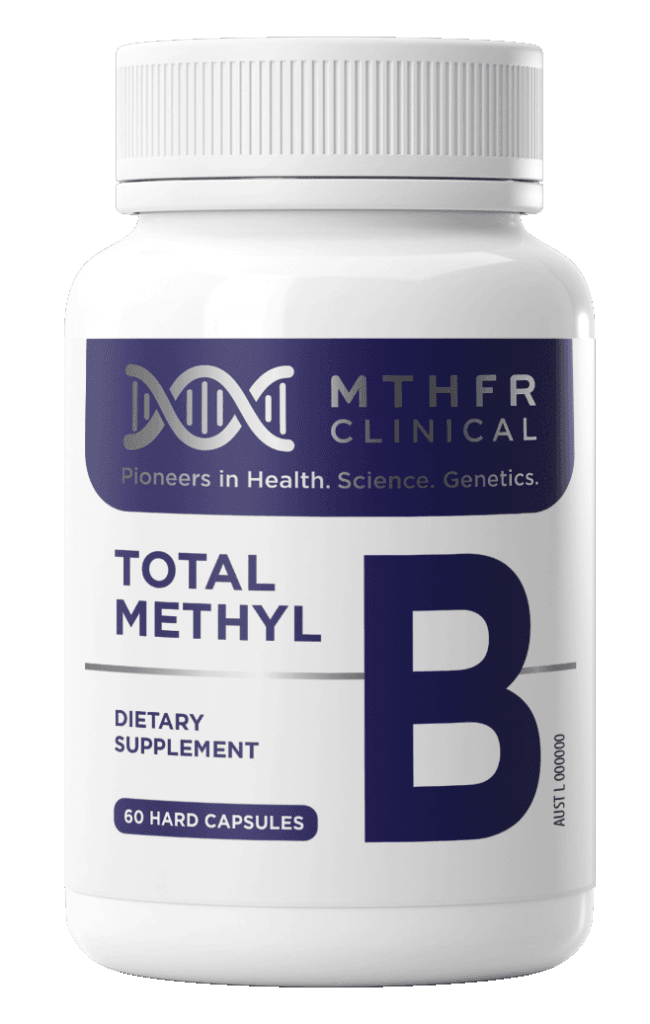
Ok so now you know if you have the MTHFR gene, and you are probably thinking you might have a deficiency in these methyl groups. So how do you know how much folate you need to take? The correct dosage is key to your health outcomes but you must know to find this correct dosage for you depends on your other genes. Because it’s the combination of genes that matter, not just MTHFR.
For more help watch these videos below:
For our patient handout and guide on what foods are without folic acid and what foods are fortified with folic acid see here
Want to know what foods contain Folic Acid?
Download our FREE Folic Acid Fortification - Food to Enjoy and Foods to Avoid PDF here
Folic acid vs 5,MTHF
Watch our webinar on the topic of ‘what is the right form of folate for you’ here
Do you feel sick when you take multivitamins with folic acid?
This is a major clue that you might have problems with your folate pathway.
What are the best supplements?
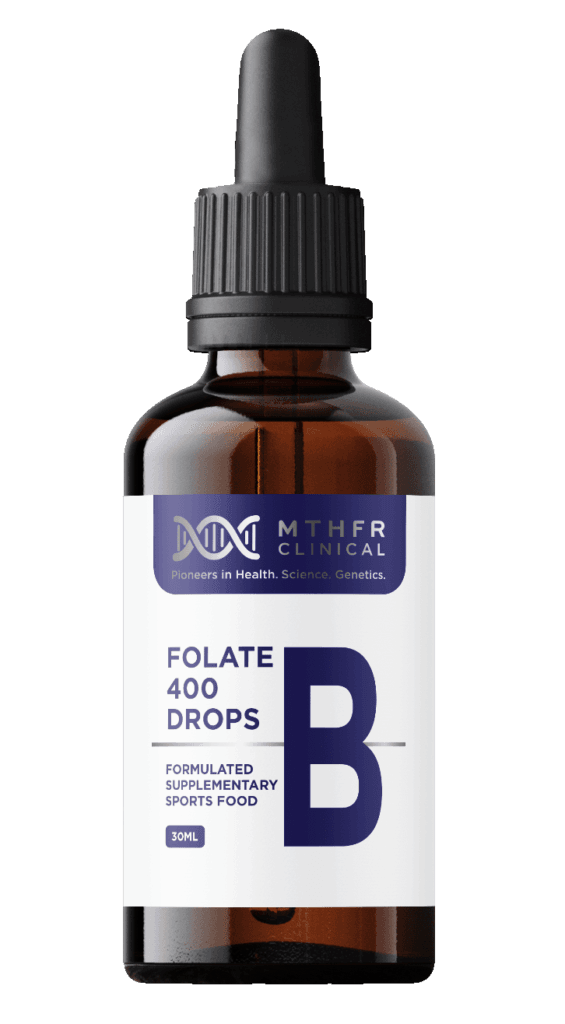
We know that we are all genetically different. Your DNA combination is not the same as the person next to you. So by understanding how your DNA affects your health, you can have profound improvements in your health outcomes. Our MTHFR Support healthcare practitioners are here to provide you with individualised health care solutions tailored just for you.
What causes ‘gene expression’?
You are born with your genetic makeup. There is nothing you can do about the genes you have been given, but what you can do is change the way they act. This is called epigenetics.
This means that certain nutrients, herbs and supplements can actually change the way your genes work. We can make an enzyme work faster or slower by giving more or less of something and fortunately (or unfortunately) your environment can do the same thing. Environmentally, if you get a virus, bacteria, gut bugs or exposure to a toxin, your enzymes will work differently. Sometimes they speed up, sometimes they slow down. In the case of the MTHFR gene, for example, we know that stress puts more demand on the MTHFR gene and you may get even more deficient in these methyl groups. The gene therefore becomes ‘expressed’ and doesn’t work the way we want it to. That’s why many people with MTHFR genes actually cope with stress worse than people who don’t have the gene.
MORE RESOURCES
Importance of vitamin B12 and MTHFR
Vitamin B12 plays a key role in methylation, energy production, red blood cell formation, and neurological function. Individuals with MTHFR variants may rely more heavily on active B12 forms like methylcobalamin or adenosylcobalamin, depending on methylation response. Many of us are living with MTHFR mutations and are unaware of our MTHFR status, and a small
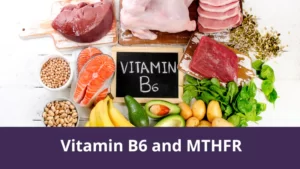
Vitamin B6 and MTHFR
The vitamins B12, B6, and folate are vital in developing and maintaining function of the brain. Deficiency in these vitamins at any stage of the life cycle has been linked to psychiatric and neurologic diseases, but exactly how a deficiency causes this is uncertain. The relationship between B vitamins and neurological diseases are thought to

Health Tips for MTHFR
Living a normal life unhindered by an MTHFR deficiency is very attainable and prevention is definitely the best course of action. Making the changes recommended in this article are important so you can optimize your folate levels and minimize the effects that the environment may have on the expression of the gene. Remember that you
FAQs About the MTHFR Gene
The MTHFR gene is responsible for helping your body convert folate into its active form, methylfolate (5-MTHF). This activated folate is essential for healthy methylation, detoxification, energy production, brain and neurotransmitter function, and the regulation of homocysteine.
Having an MTHFR gene variant (often referred to as a “mutation”) means there is a natural genetic difference that may reduce the activity of the MTHFR enzyme. This is very common. It can influence how efficiently your body activates folate and supports methylation, which may affect mood, energy, detoxification, hormone balance, and cardiovascular health.
How do you get tested for the MTHFR gene?
Testing for the MTHFR gene can be done through:
- saliva-based DNA tests
- blood tests
- comprehensive functional genomics panels
These tests look for common variants such as C677T and A1298C, helping practitioners personalise nutritional and methylation support.
It depends. An MTHFR gene variant does not diagnose a disease. It simply indicates your body may process folate and methylation nutrients differently. Many people with MTHFR variants experience no symptoms, while others benefit from targeted nutritional strategies like methylated folate, B12, and lifestyle optimisation. The impact MTHFR gene variants will have on your health will depend on environment, diet, lifestyle, stress, health/ disease, medications and other genetic variations you may have.
Yes. Because the MTHFR gene directly affects folate metabolism, certain variants may influence homocysteine levels, early embryo development, placental health, and overall pregnancy wellbeing. For this reason, methylated folate (5-MTHF) is often preferred over folic acid for individuals with MTHFR variants. Always follow personalised guidance from your practitioner. For some more research on this topic you can read more research here
