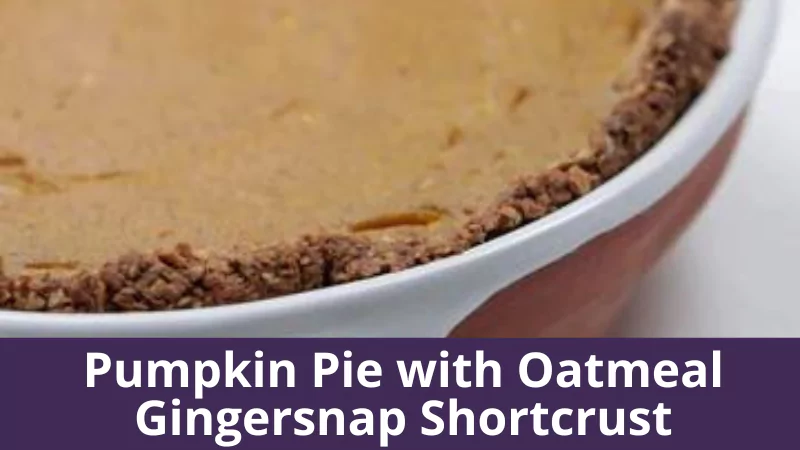
Pumpkin Pie with Oatmeal Gingersnap Shortcrust

Pumpkin Pie with Oatmeal Gingersnap Shortcrust

Share This Post

This recipe is full of potassium-rich pumpkin which helps restore the body’s balance of electrolytes and supports heart and muscle function. Cinnamon helps stabilise blood sugar levels as well as helps to boost brain function.

Ingredients:

Serves 12

Oatmeal Gingersnap Shortcrust  (see notes for gluten free)

  • Use 1 x 20 cm pie tin (7  1/2 inch)
  • 200g (2 cups) organic rolled oats
  • 50 g (1/2 cup) organic desiccated coconut
  • 60 g cultured butter or your choice of (coconut or macadamia nut oil)
  • 2 tbsp organic maple syrup or honey
  • 1 teaspoon vanilla extract
  • 1/4 teaspoon ground ginger or 1 teaspoon fresh grated ginger

Filling

  • 450g (2 cups)  roasted cinnamon pumpkin
  • 3 fresh pitted dates or 2 tablespoons honey or organic maple syrup
  • 3 organic / free range eggs
  • Pinch sea salt
  • 1 tsp ground cinnamon
  • 1/4  teaspoon ground ginger
  • Pinch of nutmeg
  • 1 cup organic coconut or pure cream
  • 1 teaspoon vanilla extract or paste

Method:

  1. Combine crust ingredients into a bowl and mix well until combined. The longer you mix the better as this will achieve a softer oatmeal dough that binds perfectly.
  2. Rest for 15 minutes.
  3. Press your oatmeal crust into a 20 cm pie shell and set aside to prepare the filling.
  4. Blend roasted pumpkin with the dates or honey, eggs, salt, cinnamon, ginger, nutmeg, cream and vanilla.
  5. Pour into your pie shell.
  6. Bake in a preheated 180°C oven for 45 minutes.
  7. Cool for at least 2 hours and enjoy warm or cold.

This recipe is sourced from Healthy Chef
 

Related Posts

The Ugly Truth About Glyphosates
MTHFR

The Ugly Truth About Glyphosates

How This Weed Killer Could Also Be Killing You Glyphosate herbicides are the most popular and most commonly used herbicides today. While manufacturers claim them ...
Read More →
Coffee Metabolism and Your Genes
Genes

Coffee Metabolism and Your Genes

Coffee is one of the world most popular drinks, one can find dozens of coffee shops in virtually every town or city. The reason for ...
Read More →
Conditions

What are SNPs, and why are they important in clinical practice?

What are SNPs, and why are they important in clinical practice? SNPs, or single nucleotide polymorphisms, are the most common type of genetic variation. They ...
Read More →
Conditions

What is the difference between genetics, genomics, and epigenetics?

Genetics refers to the study of individual genes and their role in inheritance—how traits and conditions are passed down from one generation to the next. ...
Read More →
MTHFR

Electricsense Podcast: Do You Have A Genetic Disposition That Makes You More Susceptible to EMF Exposures?

Interview – Genetic susceptibility and EMFsListen to my interview with Carolyn Ledowsky and discover: How, according to Carolyn’s research, some people have a genetic susceptibility ...
Read More →
gut bug
Conditions

How Gut Bugs and Inflammation Steal Your Tryptophan (and Your Happiness)

You’ve heard the phrase “the gut-brain axis.” But in clinical practice, that connection runs deeper than many practitioners realise—especially when it comes to tryptophan metabolism ...
Read More →
Scroll to Top
Carolyn Ledowsky

Stay Connected!

Sign up for our monthly newsletter with current MTHFR research, health tips, recipes, special offers and news about upcoming events including Carolyn’s live Q&A.

Subscribe