Understanding Akkermansia: The Gut Microbe You Should Know About

Share This Post

When discussing gut health and its crucial role in overall well-being, certain bacteria often take center stage. However, one lesser-known but highly significant player is Akkermansia muciniphila. This microorganism, now gaining more attention among gut health specialists, holds potential in managing and even preventing certain health conditions. Here, we delve into what Akkermansia is, its role in gut health, and how supporting its levels could benefit patients.

What Is Akkermansia muciniphila?

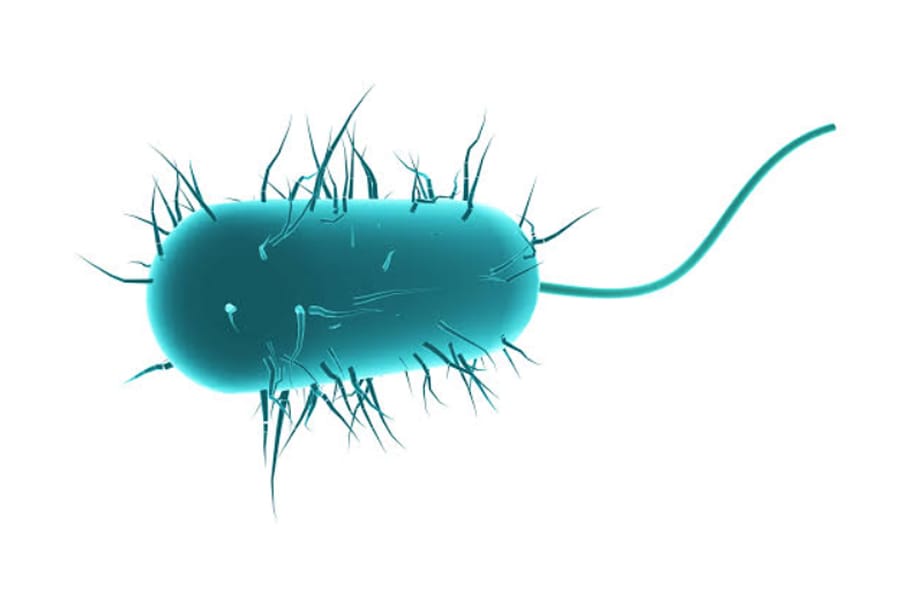
Akkermansia muciniphila is a type of bacteria found in the human gut that plays an essential role in maintaining the integrity of the gut lining. It belongs to a group of bacteria known as mucolytic bacteria, which means it breaks down mucin, a protein that forms the mucus layer lining the gut. This activity not only supports the gut barrier but also influences the diversity and balance of gut microbiota.

Why Is Akkermansia Important?

Research indicates that Akkermansia levels are associated with several health benefits, particularly in metabolic and inflammatory diseases. Here are some reasons why Akkermansia is so valuable:

  1. Gut Barrier Support: By breaking down mucin, Akkermansia helps strengthen the gut barrier, which is crucial for preventing leaky gut syndrome. A strong gut barrier can help protect against inflammation and autoimmune reactions.

Would you like to read the full article?

This content is an exclusive benefit to Functional Genomics Institute members. PREMIUM MEMBERS GET ACCESS TO:

  • Premium Articles like this one regarding research updates, functional genetics and specific health concerns
  • Exclusive Ask Me Anything Forum
  • Bi-Monthly Q+A live calls with Carolyn Ledowsky
  • Full access to exclusive video trainings
  • Quarterly Deep-Dive Webinars and Case Studies

LEARN MORE

Already a subscriber? Login here

If you are a member who is logged in and are receiving this message, please ensure the cookies are enabled on your browser.

Related Posts

The Importance of Choline and Phospholipids in Your Diet
Genes

The Importance of Choline and Phospholipids in Your Diet

The Importance of Choline and Phospholipids in Your Diet Phospholipids, a vital component of all cells, are not only required for structural purpose in the ...
Read More →
Calming Herbal Tea
MTHFR

Calming Herbal Tea

Ingredients: 1/4 cup Lavender buds 1/2 cup Chamomile flowers 1/4 cup Dried orange peel 2 Tbsp Rose petals Raw honey Coconut or pastured, raw milk ...
Read More →
Folate or Folic?
Genes

Folate or Folic?

You say folate, I say folic acid… let’s call the whole thing off?  Paraphrasing the famous lyrics may help us remember that similar sounding words ...
Read More →
Conditions

Taurine, Mitochondria, and SNPs: The Overlooked Role of a Sulfur Amino Acid in Mitochondrial Health

How polymorphisms in sulfur and antioxidant pathways may increase mitochondrial stress and taurine demand Introduction Mitochondrial dysfunction is a core feature of many chronic conditions ...
Read More →
MTHFR

Creatine – More Than Just a Sports Supplement

Creatine is one of the most well known and self-prescribed sports supplements. It is an amino acid found in meat products and produced in our ...
Read More →
What is Hepatitis B and should we be giving it to newborns?
MTHFR

What is Hepatitis B and should we be giving it to newborns?

What is Hepatitis B and should we be giving it to newborns? Hepatitis B injections are currently given to newborns, then again at 2 months, 4 ...
Read More →
Scroll to Top
Carolyn Ledowsky

Stay Connected!

Sign up for our monthly newsletter with current MTHFR research, health tips, recipes, special offers and news about upcoming events including Carolyn’s live Q&A.

Subscribe