Ingredients:
- 2 1/2 pounds (1.2 kg) boneless chuck roast
- 1 teaspoon salt
- 1/2 teaspoon ground black pepper
- 1/4 cup corn flour or gluten free flour
- 3 tablespoons extra-virgin olive oil 1 1/2 cups dry red wine — or vegetable stock if you cannot have wine.
- 1 large yellow onion
- 3 celery stalks
- 2 cloves garlic
- 2 tablespoons tomato paste
- 1 tablespoon Worcestershire sauce
- 4 large carrots
- 2 parsnips
- 3/4 pound (340 gm) red potatoes — about 2 medium
- 1 bay leaf
- 3 sprigs fresh thyme — or 2 teaspoons dried thyme; if you like, tie the fresh thyme together with kitchen twine to make the stems easier to fish out at the end
- 3 to 4 cups low-sodium beef broth/vegetable stock
- 1 1/2 cups fresh or frozen peas — no need to thaw
- Fresh parsley — optional for serving
Method:
- Cut the chuck roast into 1-inch cubes, removing any large, tough pieces of fat or gristle. I found it easiest to cut it into 1-inch-thick large, round slices, then strips, then cubes. Place the cubes in a large bowl and sprinkle with 1/2 teaspoon salt and 1/4 teaspoon black pepper. Sprinkle on the flour, then toss lightly to coat.
- Place a large, deep Dutch oven over medium-high heat. Add 1 tablespoon of the oil. Once the oil is hot and shimmering (a drop of water should sizzle if added to the surface), add one-third to one-half of the beef. The cubes should be in a single layer and not too crowded so that they brown nicely. Let the cubes of beef cook undisturbed for 4 to 5 minutes (resist the urge to peek!), until the bottom of the cubes develop a dark-brown crust and come away from the pan easily. Turn and continue searing until dark and golden all over, about 4 to 5 additional minutes. Transfer the seared meat to a clean bowl or plate. Add another 1 tablespoon olive oil to the pot, and once hot, sear the remaining beef, working in batches and ensuring that you do not overcrowd the pieces. It may take two or three batches total depending on the size of your pan. If the pan gets too dry, add a bit more oil as needed.
- While the meat browns, dice the yellow onion and celery. Mince the garlic.
- At this point, the pan should have some nice sticky brown bits (a.k.a. FLAVOR). If it seems to be burning or smoking, add a bit of the wine or beer, scrape it up, then pour it over the beef you set aside.
- Reduce the pan heat to medium and add the final tablespoon olive oil. Add the onions and celery and cook until the onions are soft and translucent, about 7 minutes. Add the garlic and cook for 30 seconds, until fragrant. Stir in the tomato paste, Worcestershire, and remaining 1/2 teaspoon salt and 1/4 teaspoon black pepper.
- While the onions sauté, peel and dice the carrots and parsnips. Scrub the potatoes and cut into a rough dice. Set aside.
- Increase the pan heat to medium high and add the wine or beer (stand back, as it will sputter). Cook, letting the wine reduce and scraping up all of the brown bits from the pan. Continue to scrape and stir until the liquid is slightly reduced and thickened, 2 to 3 minutes.
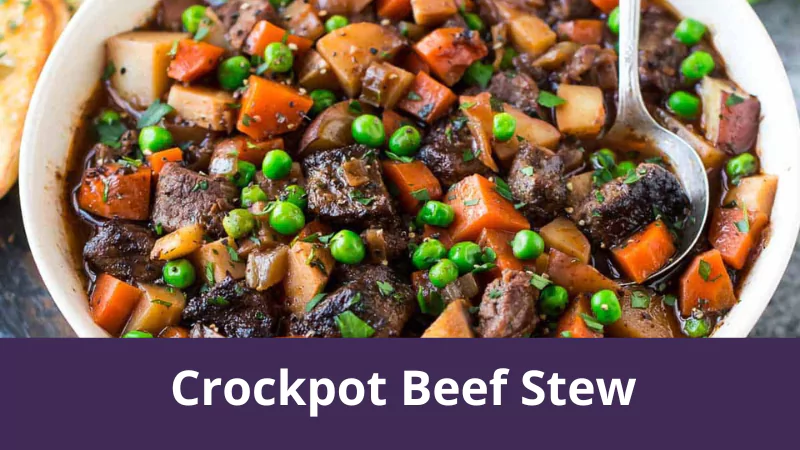
- Transfer the sautéed vegetables and any sauce from the pan to a 6-quart or larger slow cooker. Add the beef, carrots, parsnips, potatoes, bay leaf, thyme, and 3 cups beef broth. Stir to roughly combine. Cover and cook on low for 6 1/2 to 8 hours or high for 3 1/2 to 4 1/2 hours, until the beef is cooked through and fall-apart tender and your kitchen smells so cozy you might not ever leave. Remove the bay leaf and thyme stems and stir in the peas. If you’d like the stew thinner, add additional broth until it reaches your desired consistency. Taste and add additional salt or pepper as desired. Serve hot, sprinkled with fresh parsley.