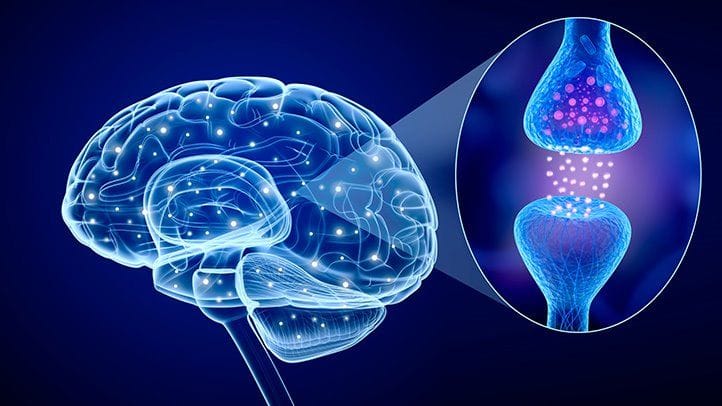
Serotonin has become a household name. It’s often blamed for depression, and targeted by SSRIs. But as any functional practitioner knows, it’s rarely that simple.
In truth, serotonin is influenced by a matrix of genetic factors, cofactors, and environmental inputs—and if you don’t understand these, you’ll struggle to get lasting results with your patients.
Today, we’re going to explore the real science behind serotonin dysfunction—including how genes like MAOA and DHFR, and cofactors like BH4 (tetrahydrobiopterin), can radically shift serotonin balance and patient presentation.
Quick Refresher: How Serotonin Is Made
Serotonin (5-HT) is synthesized from tryptophan in a multi-step process:
- Tryptophan ➞ 2. 5-HTP (via tryptophan hydroxylase, with BH4) ➞ 3. Serotonin
Serotonin then converts to melatonin with the help of SAMe and cofactors.
So you need:
- Tryptophan availability
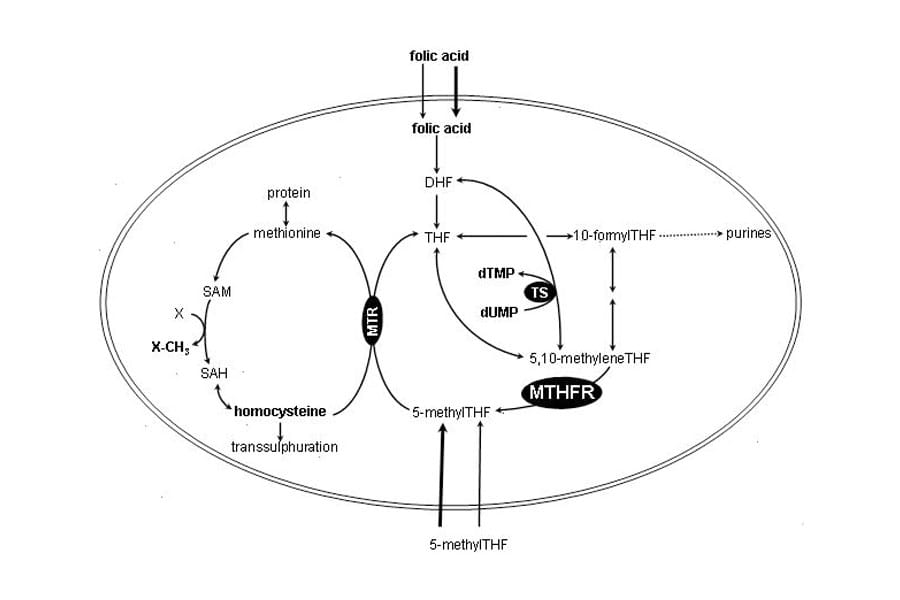
- BH4 (a key cofactor made via DHFR + folate)
- B6, B2, iron
- And low inflammation (so you don’t divert tryptophan to the kynurenine pathway)
MAOA: The Gene That Clears Serotonin
MAOA (monoamine oxidase A) is an enzyme responsible for breaking down serotonin after it’s used.
Here’s what matters:
- Fast MAOA = low serotonin (the enzyme clears it too quickly)
- Slow MAOA = high serotonin (serotonin builds up and can spike symptoms)
So your patient’s MAOA speed completely changes how they respond to mood treatments.
For example:
- A slow MAOA patient given 5-HTP, St John’s Wort or SSRIs may feel worse
- A slow MAOA patient may develop agitation, OCD, or even psychosis if serotonin isn’t cleared
MAOA speed is influenced determined by specific genetic SNPs and the environment it interacts with.
Clinical Signs of Serotonin Imbalance
Low serotonin (fast MAOA) may present as:
- Seasonal affective disorder (SAD)
- Poor sleep (serotonin converts to melatonin)
- Panic attacks, depression
- Carbohydrate cravings, comfort eating
- Constipation
High serotonin (slow MAOA) may show as:
- Agitation, mania, hallucinations
- Psychotic features, excess sweating, tremors
- OCD, restlessness
- Diarrhoea
Enter BH4: The Forgotten Cofactor That Controls Neurotransmitter Synthesis
BH4 (tetrahydrobiopterin) is one of the most crucial molecules in serotonin production—yet it’s rarely discussed.
BH4 is a required cofactor for the enzyme tryptophan hydroxylase, which converts tryptophan to 5-HTP.
If BH4 is low, you get a bottleneck at the top of the serotonin pathway. No BH4 = no 5-HTP = no serotonin.
BH4 Is Depleted By:
- Inflammation
- Oxidative stress (especially peroxynitrite)
- Poor folate conversion (via MTHFR and DHFR)
- Low NADPH or reduced glutathione
In short? Any patient with chronic stress, inflammation, gut infection, mould, or poor methylation could be struggling with BH4 depletion.
And of course there are specific genes that make people more susceptible to these health issues too!
Functional Clues to Look For:
- Low serotonin despite traditional support
- Symptoms that worsen after stress, illness, or toxic exposure
- High 3-NT (3-nitrotyrosine) or 8-OHdG (oxidative markers)
- Co-existing dopamine or nitric oxide imbalances
The Inflammatory Hijack: Kynurenine Steals Your Tryptophan
There’s one more twist.
In any inflammatory or infectious state (LPS, viral, mould), tryptophan is pulled into the kynurenine pathway to help manage cellular stress.
The result?
- Less tryptophan for serotonin
- More quinolinic acid (which upregulates NMDA receptors and anxiety)
- Increased depressive symptoms in chronic illness
This is why so many patients with gut issues, autoimmunity, or Lyme experience mood changes. It’s not just psychological. It’s a biochemical response to inflammation.
Case Example: The High-Functioning, High-Serotonin Anxious Type
Patient: 35-year-old female executive
- History of OCD, social anxiety
- Racing mind, agitation, gut pain, poor sleep
- Over-reactive to SSRIs, B vitamins, and magnesium glycinate
Genetics:
- MAOA TT (slow)
- COMT slow
- MTHFR + DHFR polymorphisms
Treatment:
- B2 (FAD) and NAC to gently support serotonin clearance
- Magnesium taurate (instead of glycinate)
- Antioxidants and anti-inflammatories
- Niacin + taurine to support neurotransmitter modulation
- Gut repair and low-histamine, anti-inflammatory diet
Results: OCD symptoms diminished within 4 weeks, anxiety dropped significantly, and sleep stabilised without medication.
This Is What You’ll Master at the Mental Health Genomics Workshop
When you understand the biochemistry of mood, you don’t have to guess what your patient needs.
At our 2-day live event in Perth, we’ll walk you through:
- Identifying MAOA and COMT types clinically
- Supporting BH4 and methylation blocks
- Using SNPs to map out personalised mood treatment plans
- Case studies, protocols, supplement options, and lab interpretations
This training gives you the confidence to treat anxiety, depression, OCD and complex mental health cases with precision.
Ready to Join Us?
Perth University Club
July 4–5, 2025
Secure your seat here: https://www.mthfrsupport.info/mentalhealth
Don’t miss the opportunity to upgrade your clinical skills with the most cutting-edge insights in functional mental health care.