Here’s why and what you can do about it
For most people, having a few drinks every now and then doesn’t do them any harm. Alcohol is a socially acceptable way to relax and enjoy time with family and friends.
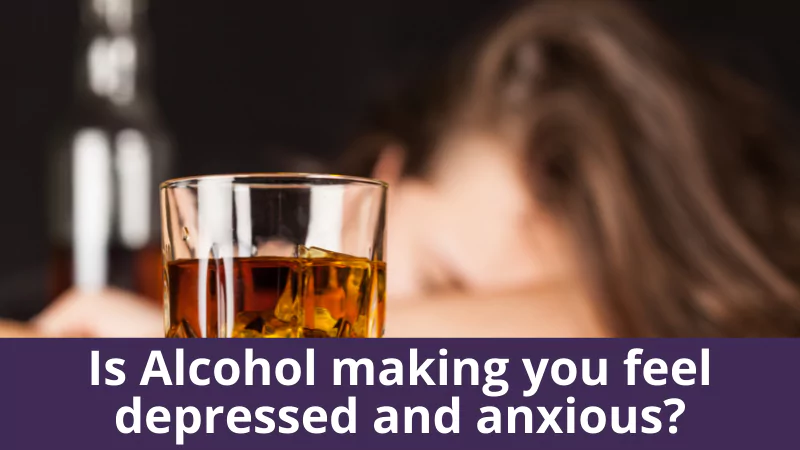
However, there’s no denying that when misused, alcohol can have serious health effects. For some, overindulgence can lead to depression and anxiety disorders or exacerbate underlying health conditions.
So why do we overindulge with alcohol?
If you already have some issues around social anxiety, alcohol will often play a part in helping you to ‘loosen up’ or feel more courageous in social settings. Alcohol is also widely used to help mask depression, with many people reporting a sense of ‘relief’ after their first drink. But once the initial high wears off, most end up feeling worse than they did before. This in turn can lead to addiction and an over reliance on alcohol.
Some side effects of Alcohol Overindulgence
- Frequent low moods
- Worrying and feeling anxious about what you did the night before (even if nothing bad occurred)
- Using it as a coping mechanism instead of dealing with other issues in your life
- Oversleeping and feeling lethargic or ‘hungover’
- Feeling sad and irritable more often than not
- Dehydration and other health issues
What’s the link between alcohol and depression?
Scientifically speaking, alcohol is a depressant. While initially drinking alcohol causes your brain to release dopamine (the brain chemicals that make you feel good), your brain then has to work to rebalance itself. The initial euphoric feeling never lasts long, but it creates the illusion that the drink is helping.
As your brain fights to regain balance, it works to bring you back down by releasing other chemicals. This in turn can make you feel sad and emotional. For some people, alcohol is the direct cause of their depression or anxiety disorders.
So what can you do about it?
If you suspect that alcohol may be exacerbating your depression or anxiety, the obvious answer is to simply to avoid it. However, if you have developed a dependency on alcohol cutting it out is easier said than done. You may want to research health professionals in your area that can help you create a healthier relationship with alcohol and treat your depression and anxiety co-currently.
If you’re not ready to give it up, try drinking more mindfully. This means paying attention to how much you’re consuming and how it’s affecting your mood. By gathering the data you’ll have a clearer picture of whether it’s alcohol that is causing your depression or anxiety or something else.
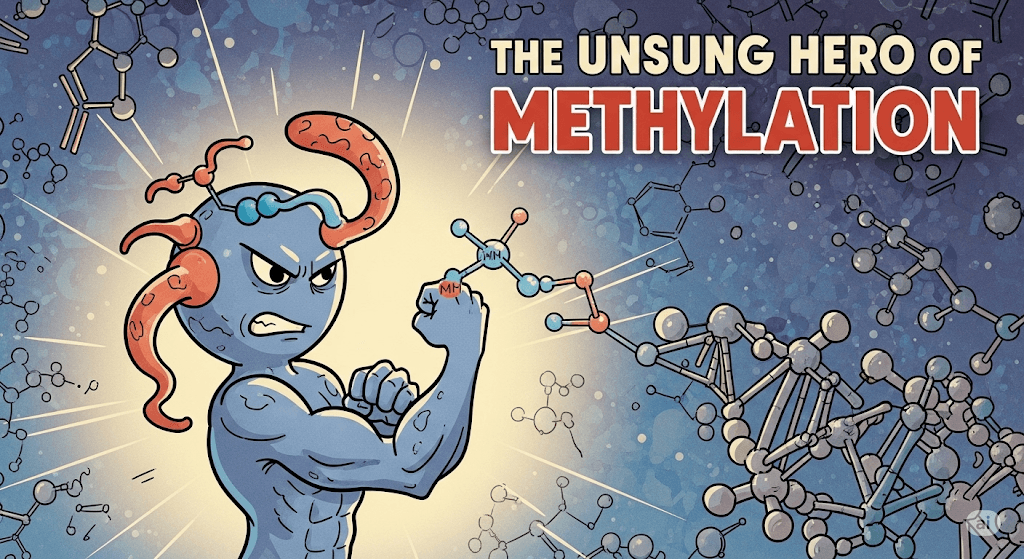
If depression and anxiety is an ongoing issue for you, and cutting out alcohol hasn’t helped, a relatively common gene mutation called MTHFR could possibly be contributing to your condition.
Getting tested for MTHFR Gene Mutation is the first step. Once you have a diagnosis, you may need to introduce some new supplements into your diet to help manage your symptoms of depression and anxiety.
When you know what you’re dealing with, you’ll feel empowered to take control and manage your condition.
Are you curious about MTHFR Gene Mutation and how it might be affecting your health? You can learn more here.
And if you’d like to join a community of people who are taking control of their health and wellbeing, as well as receive information and other resources, join our Patient Resource Center.
You may also browse through our free webinars here.