How to find out if you have the MTHFR gene mutation

How to find out if you have the MTHFR gene mutation

Share This Post

How to find out if you have the MTHFR gene mutation?

MTHFR is an essential enzyme involved in the metabolism of dietary folate and links the folate metabolism with the ‘homocysteine-methionine’ pathway. These pathways are important for optimal cellular functioning – synthesis of amino acids, proteins, lipids, DNA/RNA, gene switching, neurotransmitters, hormones, and immune function.

Since it is an important enzyme involved in the cellular metabolism, its deficiency may result in a variety of health conditions.

Over years of research, several conditions have been associated with a defect in MTHFR, some of which are listed below:

  • Neural tube defects- These are birth defects in the development of brain and spinal cord.
  • Anencephaly- It is a kind of neural tube defect in which large parts of the brain are missing.
  • Homocystinuria- A disorder in which the body is unable to process homocysteine and methionine properly.
  • Spina bifida- It is a kind of neural tube defect in which the spinal bones do not close completely around the developing spinal cord nerves.
  • Congenital heart defects
  • Recurrent pregnancy loss
  • Ischemic Stroke
  • Hypertension
  • Preeclampsia- High blood pressure during pregnancy
  • Glaucoma- An eye disorder.
  • Psychiatric disorders – Depression and/or anxiety
  • Certain types of cancer
  • Chronic Fatige
  • Fibromyalgia
  • ADD
  • ADHD
  • Autism

Steps to find out if you have the MTHFR gene mutation:

Step 1: If you suffer from any of the above and you are not able to treat it with regular treatments, you might have a mutation in the MTHFR gene.

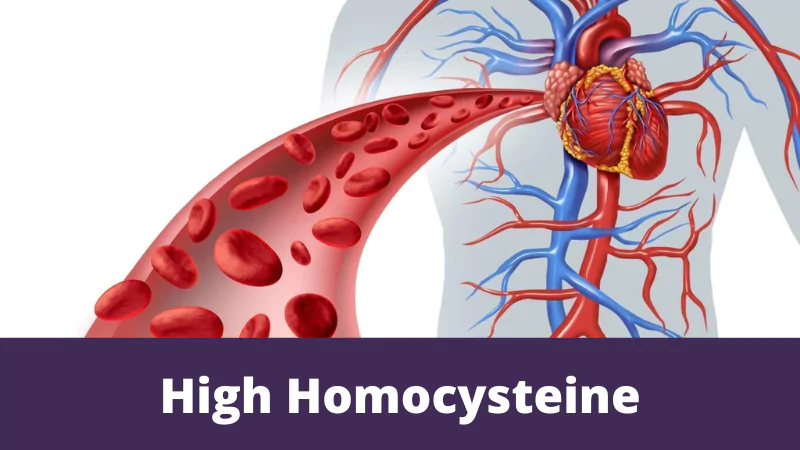
Step 2: In addition, if you have high levels of homocysteine in your blood – more than 10µM/L – it may be an indication there is a  mutation in the MTHFR gene.  

Step 3: Talk with your Healthcare professional and discuss options for testing or go online and get your test here

Step 4: Once you know your results you can learn more about the MTHFR gene on the links below:

Step 5: Help to control your environment by watching what you eat, what you drink, what environmental toxins you are exposed to.

For more information see:

References:

  1. http://mthfr.net/mthfr-mutations-and-the-conditions-they-cause/2011/09/07/
  2. https://www.mthfrsupport.com.au/what-is-mthfr/

Related Posts

Is High Folic Acid Intake a Risk Factor for Autism
MTHFR

Is High Folic Acid Intake a Risk Factor for Autism?—A Review

Abstract Folate is required for metabolic processes and neural development. Insuring its adequate levels for pregnant women through supplementation of grain-based foods with synthetic folic ...
Read More →
Conditions

My top 10 tips for keeping you healthy in 2024

1. Know your genetic susceptibility Consider what diseases are in your family.  By looking at your genetics you can make huge preventative steps so you ...
Read More →
Folate

How Does Folic Acid Supplementing or Fortifying Affect Your Body?

There is a lot of buzz around folates and folic acid. Health professionals often find the terminology around folate and folic acid confusing. They use ...
Read More →
Histadelia vs. Histapenia
MTHFR

Histadelia vs. Histapenia

Histadelia vs. Histapenia: Does the Pfeiffer protocol always make sense? Understanding Your Histamine Blood Test Results Histamine is most popularly known for its role in ...
Read More →
Conditions

The Genetics of Autoimmune Thyroid Disorders: A Practitioner’s Guide

Autoimmune thyroid disorders, including Hashimoto’s thyroiditis and Graves’ disease, are among the most common autoimmune conditions worldwide. These disorders arise from a combination of genetic predisposition, environmental triggers, ...
Read More →
Anxiety
Conditions

Anxiety

Anxiety is more than just feeling stressed or worried about something. While stress and anxious feelings are a common response to a situation where a ...
Read More →
Scroll to Top
Carolyn Ledowsky

Stay Connected!

Sign up for our monthly newsletter with current MTHFR research, health tips, recipes, special offers and news about upcoming events including Carolyn’s live Q&A.

Subscribe