homocysteine

Gluten and MTHFR

Gluten and MTHFR

Gluten is ubiquitous in many processed foods of today, this should come as a concern, as it negatively affects some of us without ever knowing it is the cause. Individuals with gluten sensitivity and MTHFR can be dealt a double blow where the conditions of both symptoms may amplify each other. We will look at

Gluten and MTHFR Read More »

High homocysteine – It can affect your brain, your heart and your pregnancy.

High homocysteine – It can affect your brain, your heart and your pregnancy.

High homocysteine – it can affect your brain, your heart and your pregnancy. Hyperhomocysteinemia, the condition of having too much homocysteine, causes numerous health issues within the body. If you would like to know more about homocysteine before reading this article, you can check out “What’s All the Fuss about Homocysteine”. This article will cover

High homocysteine – It can affect your brain, your heart and your pregnancy. Read More »

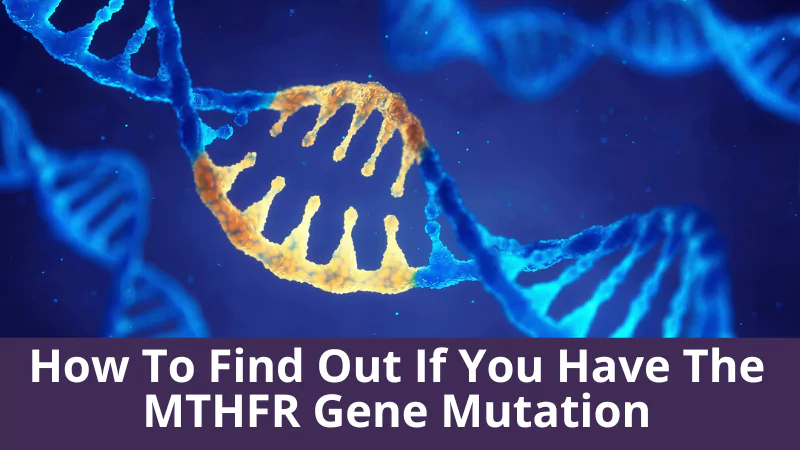
How to find out if you have the MTHFR gene mutation

How to find out if you have the MTHFR gene mutation

How to find out if you have the MTHFR gene mutation? MTHFR is an essential enzyme involved in the metabolism of dietary folate and links the folate metabolism with the ‘homocysteine-methionine’ pathway. These pathways are important for optimal cellular functioning – synthesis of amino acids, proteins, lipids, DNA/RNA, gene switching, neurotransmitters, hormones, and immune function.

How to find out if you have the MTHFR gene mutation Read More »

Vitiligo

Vitiligo

What Is Vitiligo? Vitiligo is a condition in which white patches develop on the skin. Vitiligo is caused by a loss of pigment in the skin, due to destruction of pigment-forming cells called melanocytes. The exact cause of the destruction of these cells is not known. One possible explanation might be that the body’s immune

Vitiligo Read More »

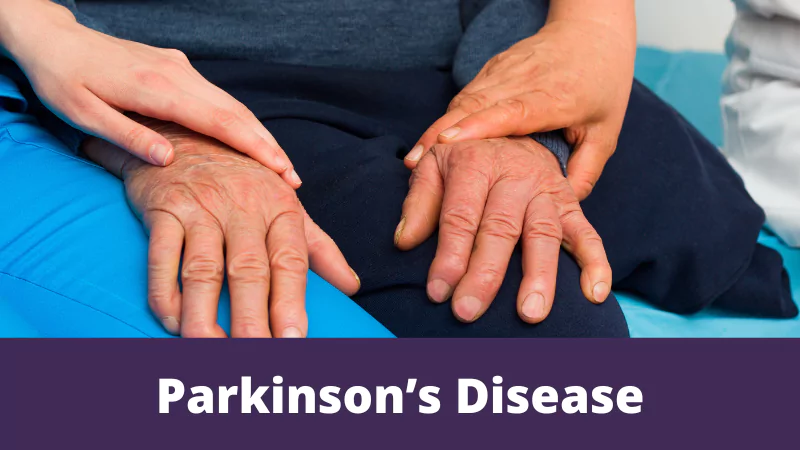
Parkinson’s Disease

Parkinson’s Disease

What is Parkinson’s Disease? Parkinson’s disease is a progressive, degenerative neurological condition that affects a person’s control of their body movements. It is not contagious and is thought to have a genetic aspect. Symptoms of Parkinson’s disease are caused by the progressive degeneration of nerve cells in the middle area of the brain. This causes

Parkinson’s Disease Read More »

Scroll to Top
Dr. Carolyn Ledowsky

Stay Connected!

Sign up for our monthly newsletter with current MTHFR research, health tips, recipes, special offers and news about upcoming events including Carolyn’s live Q&A.

Subscribe