Schizophrenia

Schizophrenia

Share This Post

What is Schizophrenia?

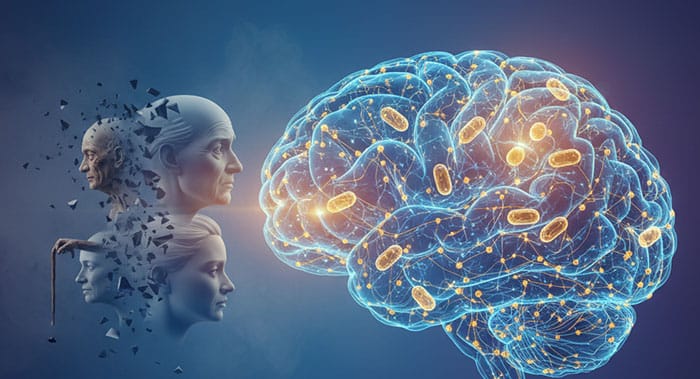
Schizophrenia is a sever mental disorder (or group of disorders) characterised by a disintegration of the process of thinking, of contact with reality, and of emotional responsiveness.

Delusions and hallucinations (especially of voices) are usual features, and the individual usually feels that their thoughts are being controlled by, or shared with, others.

Individuals often become very socially withdrawn and they lose energy and motivation.

Research

1. High levels of homocysteine have found to be a risk factor for schizophrenia. Therefore, Kevere et al (2014) wished to further examine the link between the level of homocysteine, the MTHFR C677T mutation and patients with schizophrenia. Levels of homocysteine were found to be highest in the schizophrenic group in comparison to the control group, particularly in those with the CT genotype. Overall, this study found those with increased blood homocysteine levels and the C677T mutation were at an increased risk of developing schizophrenia, especially in those with paranoid or episodic schizophrenia.

Article Here 

2. Lochman et al (2014) state a possible link between MTHFR C677T mutations, high homocysteine and schizophrenia. Through examining a group of schizophrenic patients, an increased risk of schizophrenia presentation was associated with MTHFR 677 CT and TT mutations when compared to healthy people. The authors also studied the relationship between C677T mutations and other polymorphisms associated with schizophrenia, and found a link with the ADRA2A polymorphism which governs the release of neurotransmitters (brain chemicals) from nerves within the brain. This study shows there could be malfunctioning occurring a genetic level with both the nervous system and methylation cycle, which is increasing the risk of schizophrenic development.

Related Posts

MTHFR and Fertility Complications
Conditions

MTHFR and Fertility Complications

You’re ready to become a parent. You replaced birth control pills with prenatal vitamins, expecting to be expecting any day now. After a few months, ...
Read More →
Conditions

5 Secrets To Explain Genomic Test Results to Patients Without Overwhelming Them

Genomic testing offers profound insights into a patient’s unique genetic makeup, helping identify specific areas where they may need support. However, with the depth and ...
Read More →
Bisphenol A: Why It’s Bad and How to Avoid It
MTHFR

Bisphenol A: Why It’s Bad and How to Avoid It

Bisphenol A: BPA or Bisphenol A is a common chemical found in plastics and has been in large scale industrial use since the 1960’s. This chemical ...
Read More →
Histamine and Methylation
Genes

Histamine and Methylation

Histamine Histamine is a hydrophilic vasoactive amine derived from histidine through carboxylation by L-histidine decarboxylase1. Histamine, once formed, can be stored or rapidly undergo deamination ...
Read More →
Conditions

Genetic Susceptibility of Crohn’s Disease: Uncovering the Role of FUT2 and Other Key Factors

Crohn’s disease, a subtype of inflammatory bowel disease (IBD), presents complex challenges for both patients and practitioners. Despite advanced treatment protocols involving anti-inflammatory medications and ...
Read More →
Key Blood Tests for Preconception Nutrition
MTHFR

Key Blood Tests for Preconception Nutrition

As you may know, one of the primary nutrients needed for a healthy pregnancy is folate (Vitamin B9), due to it’s vital role in DNA ...
Read More →
Scroll to Top
Carolyn Ledowsky

Stay Connected!

Sign up for our monthly newsletter with current MTHFR research, health tips, recipes, special offers and news about upcoming events including Carolyn’s live Q&A.

Subscribe