As you may know, one of the primary nutrients needed for a healthy pregnancy is folate (Vitamin B9), due to it’s vital role in DNA synthesis, preventing Neural Tube Defects and the overall growth and development of the baby. Read more on why folate is important in pregnancy here.
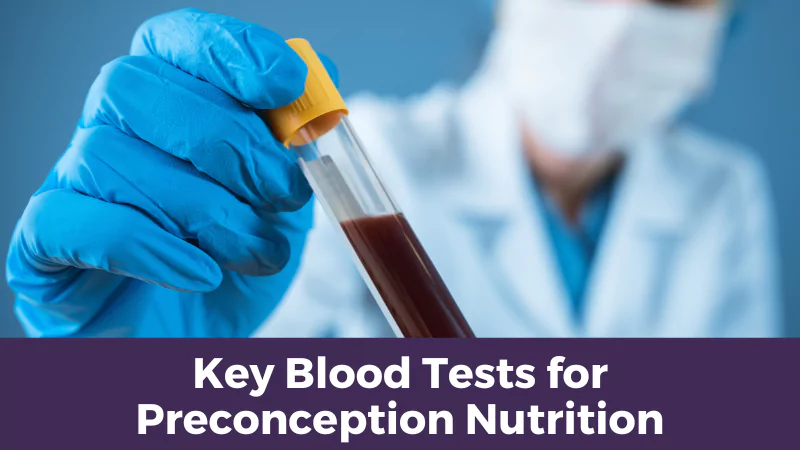
You can easily test folate during your preconception period in order to understand your level before you attempt to fall pregnant. However, there are several other blood tests you can easily take that will highlight how well your body is using your folate, as well as other key nutrients that are important for a healthy and thriving pregnancy.

Below is my list of recommended bloods to complete in your preconception period:
- MTHFR Gene Test
The MTHFR gene converts the folate in your food into the active folate your body needs for creating healthy DNA. You can read more about what MTHFR is here, and why it is just so important in pregnancy here.
- Folate
With several different ways to test folate thought blood, test Red Blood Cell Folate (RBC Folate) where you can, for an insight into your current folate levels. Folate levels can still be low even without an MTHFR gene if you do not consume enough through your diet, your gut is not absorbing it or it is unable to enter your cells for use. All of these blocks to healthy folate levels can be easily addressed working with a MTHFR trained practitioner or fertility specialist.
To ensure you are receiving plenty of folate through your diet, check out our blog post: Top 20 Folate Containing Foods.
- Full Blood Count (FBC) or Complete Blood Count (CBC)
A FBC is a broad group of tests that will generally examine markers for anemia, inflammation and infection (mainly red blood cell markers and white blood cell makers).
As anaemia can be caused by either low iron, folate or B12, a FBC provides much information in regards to how well your body is activating and using your folate.
Folate is also needed to create healthy levels of Red and White Blood Cells, which makes a FBC a good general screen to complete.
- Full Biochemistry
This is again a broad and general group of tests, but will yield a great amount of information about the health of your internal organs (such as liver and kidneys), electrolyte balance and key enzymes. A full biochemistry can also include cholesterol and lipid levels.
- Homocysteine
Homocysteine is an amino acid intrinsically connected to your MTHFR gene and folate levels. If this sits too high or too low it will affect your ability to use active folate, with high levels also increasing the risk of clot formation/ thrombophilia’s involved in Recurrent Pregnancy Loss.
It is a great marker to see how much B12 and folate the body really has, and how it is using it.
- Iron
Iron is somewhat self-explanatory when it comes to preconception, with the synthesis of baby’s red blood cells (RBC’s) and increase in overall blood volume that occurs during pregnancy, the demand for iron increases! However, iron also needs healthy levels of folate and B12 to create RBC’s, so whist testing provides insight into your levels, it can also rule out iron as the cause of anaemia, if low folate or B12 are in fact to blame.
- Zinc
Zinc is an important nutrient crucial for cell function, a strong immune system (and development of baby’s immune system), neurotransmitter balance and healthy digestion. ‘Plasma zinc’ is the best way to test zinc levels.
- Copper
Research has shown high copper levels to be linked with post-natal depression (source). Copper levels naturally rise during pregnancy, with already high levels compounding this effect. One reason for this could be due to copper’s antagonistic relationship with Zinc, as it will compete for or block the absorption of mood balancing zinc if too high. Serum copper is the best way to measure this trace mineral.
- Iodine
Iodine is crucial for the health and development of your baby’s brain, making this another valuable test to complete during your preconception phase, to allow time for your iodine levels to replenish if low before conception and pregnancy. This test is best completed via urine, not blood.
Talk with your doctor or health practitioner about completing these tests for preconception nutrition, and you will be making great steps toward preparing your body for pregnancy.