Nutritional Clues in Recurrent Vaginitis During Pregnancy: What Practitioners Need to Know

Share This Post

Nutritional Clues in Recurrent Vaginitis During Pregnancy: What Practitioners Need to Know

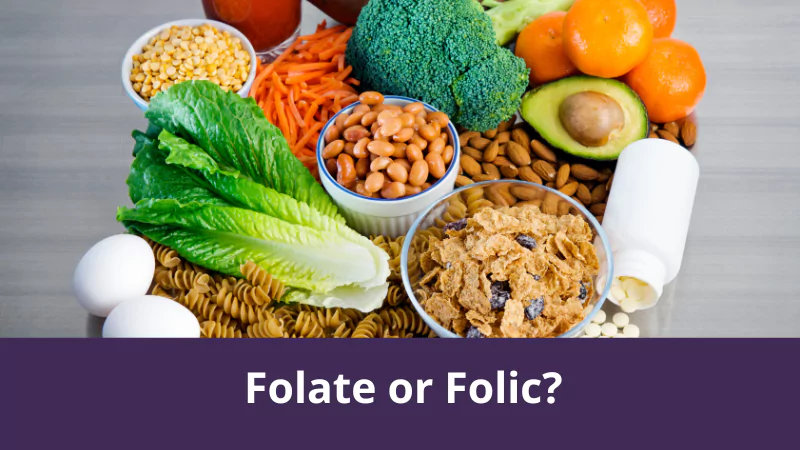
Recurrent vaginitis during pregnancy remains a challenging clinical concern with potential implications for both maternal and fetal health. While the standard approach focuses on microbiological and symptomatic assessment, emerging evidence suggests a pivotal, yet underexplored, dimension: nutrition. A recent study by Çıkım and Hansu (2025) offers fresh insight into the biochemical factors influencing this condition by examining serum levels of homocysteine, folate, vitamin B12, and vitamin D in pregnant women experiencing recurrent vaginitis.

Understanding Vaginitis in Pregnancy

Vaginitis refers to the inflammation and infection of the vaginal mucosa, often stemming from bacterial vaginosis (BV), vulvovaginal candidiasis (VVC), or trichomoniasis. These infections can be exacerbated by hormonal changes in pregnancy that alter the vaginal pH and microbiota. A disrupted vaginal flora—particularly a depletion of Lactobacilli—leaves the mucosa vulnerable to pathogenic colonization. Symptoms typically include itching, burning, discharge, and discomfort during intercourse.
Would you like to read the full article?

This content is an exclusive benefit to Functional Genomics Institute members. PREMIUM MEMBERS GET ACCESS TO:

  • Premium Articles like this one regarding research updates, functional genetics and specific health concerns
  • Exclusive Ask Me Anything Forum
  • Bi-Monthly Q+A live calls with Carolyn Ledowsky
  • Full access to exclusive video trainings
  • Quarterly Deep-Dive Webinars and Case Studies

LEARN MORE

Already a subscriber? Login here

If you are a member who is logged in and are receiving this message, please ensure the cookies are enabled on your browser.

Related Posts

DAO Deficiency and Histamine: The Unlikely Connection
Genes

DAO Deficiency and Histamine: The Unlikely Connection

What does it mean? We live in a time when we can choose what to eat. But in our endeavour to be healthy, what are ...
Read More →
Vitamin D: The ‘sunshine’ vitamin
MTHFR

Vitamin D: The ‘sunshine’ vitamin

What do bones and the sun have in common? Vitamin D, of course. Discovered in 1928 by Adolf Windaus (famously known German scientist who opposed ...
Read More →
Matcha Chia Pudding
MTHFR

Matcha Chia Pudding by Teresa Cutter

Ingredients: Serves 1 3 tablespoons (40 g / 1/2 oz) white chia seeds 1 teaspoon Healthy Chef Matcha 1 tablespoon Healthy Chef Protein 250 ml ...
Read More →
Pumpkin Pie with Oatmeal Gingersnap Shortcrust
MTHFR

Pumpkin Pie with Oatmeal Gingersnap Shortcrust

This recipe is full of potassium-rich pumpkin which helps restore the body’s balance of electrolytes and supports heart and muscle function. Cinnamon helps stabilise blood ...
Read More →
Spinberry Smoothie
MTHFR

Spinberry Smoothie

Ingredients:   1 Tsp coconut sugar 1 frozen banana 1 handful frozen or fresh berries Half a Tsp cinnamon 1 handful spinach leaves 1 cup ...
Read More →
Conditions

Part 1:Vitamin B12 Absorption, Uptake, and Utilisation: Role of Transcobalamin II (TCN2)

Key points discussed: How Vitamin B12 is Absorbed, Transported & Utilised What is Transcobalamin II (TCN2) genes The Role of Genetic Variants in B12 Metabolism ...
Read More →
Scroll to Top
Carolyn Ledowsky

Stay Connected!

Sign up for our monthly newsletter with current MTHFR research, health tips, recipes, special offers and news about upcoming events including Carolyn’s live Q&A.

Subscribe