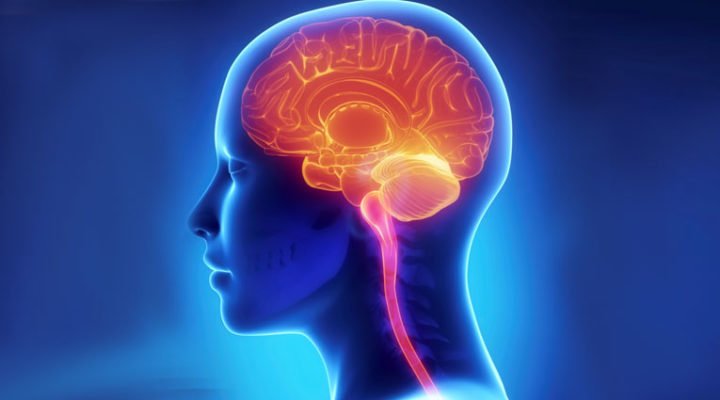
You’ve heard the phrase “the gut-brain axis.” But in clinical practice, that connection runs deeper than many practitioners realise—especially when it comes to tryptophan metabolism and its downstream impact on serotonin, mood, and inflammation.
Today’s article dives into the mechanism of tryptophan hijacking—how gut bugs, inflammation, and environmental stress redirect this essential amino acid away from serotonin and into the kynurenine pathway.
And how that shift could be making your patient anxious, depressed, and biochemically imbalanced.
What is tryptophan and why does it matter?
Tryptophan is an essential amino acid—a building block for:
- Serotonin (via 5-HTP)
- Melatonin
- Niacin (vitamin B3)
- Kynurenine pathway metabolites
So where tryptophan goes determines how your patient feels, sleeps, and thinks.
The Kynurenine Pathway: A Survival Mechanism
Under normal circumstances, ~5% of tryptophan is converted to serotonin.
But when the body detects:
- Lipopolysaccharides (LPS)
- Chronic inflammation
- Mould, viruses, or stress
The immune system diverts tryptophan into the kynurenine pathway.
Why? Because kynurenine metabolites help regulate inflammation and oxidative stress.
The problem? It comes at the expense of serotonin.
Why this matters in mental health
Low serotonin =
- Sadness
- Panic
- Insomnia
- Obsessive thoughts
But kynurenine metabolism also creates quinolinic acid, which:
- Activates NMDA receptors (causing excitotoxicity)
- Increases anxiety and agitation
- Damages neurons
So this isn’t just “inflammation.” It’s a mood-sabotaging, brain-inflaming shift in amino acid usage.
The gut connection: Bugs that mess with your brain
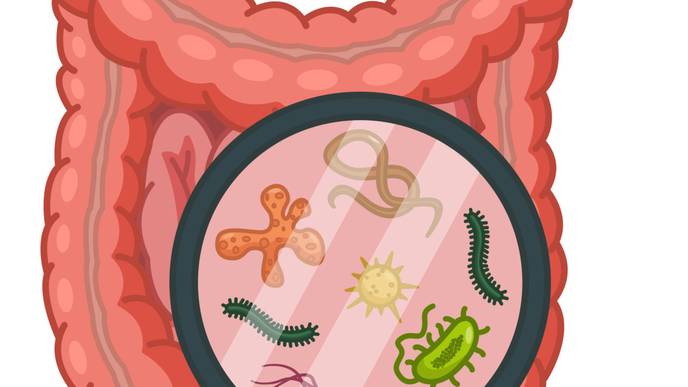
Certain gut pathogens can trigger this shift by increasing intestinal permeability and immune activation:
Common culprits include:
- Clostridia and other dysbiotic bacteria
- Candida / yeast overgrowth
- H. pylori
- Mould-related mycotoxins
These disrupt:
- Tryptophan absorption
- Serotonin breakdown (via MAOA inhibition)
- BH4 regeneration (needed for serotonin & dopamine synthesis)
Clinical signs of tryptophan theft:
If your patient has:
- Mood swings that worsen after illness
- Anxiety + gut symptoms
- Worsening with histamine foods
- Poor response to SSRIs or 5-HTP
- High quinolinic acid on organic acids testing
…there’s a good chance tryptophan is being stolen into the inflammatory pathways.
What can you do?
- Address the gut:
- Stool testing or Organic Acid Testing for candida, clostridia, parasites
- Restore mucosal barrier
- Treat infections gently—don’t provoke a bigger immune reaction
- Reduce inflammation & oxidative stress:
- Antioxidants: glutathione, SOD, NAC, vitamin C – hint: be sure to check their genes before adding these
- Gentle BH4 support (via folate, B2, NADPH)
- Use nutrients strategically:
- B6, magnesium, and SAMe to support serotonin pathway- hint: you MUST understand what genes to work with before adding these
- Niacin to reduce excess methylation pressure (and anxiety)
- Support serotonin downstream:
- Know what types of serotonin support to add in once inflammation is under control
- Sleep hygiene and melatonin regulation
Case example: The anxious gut patient
Patient: 28-year-old female, anxious since early childhood
- Severe bloating, constipation, panic attacks
- “Can’t wind down,” cries easily, poor sleep
- Sensitive to B vitamins, gets worse with 5-HTP
OAT Results:
- High quinolinic acid
- High yeast markers
- Low B6 and B2
Treatment:
- Gut support (binders, saccharomyces, immunoglobulins)
- Niacin trial + selective B6/P5P
- Magnesium + taurine
- No serotonin support until quinolinic dropped
Outcome: After 6 weeks, energy and mood improved significantly. Patient could tolerate 5-HTP and B-complex without worsening.
Learn how to spot this in your patients
At the Mental Health Genomics Workshop, we’ll teach you how to:
- Interpret OAT results related to tryptophan metabolism
- Identify gut-driven neurotransmitter dysfunction
- Use genomics to predict patient response to mood protocols
- Personalise your treatment using SNPs + lab data
Don’t miss your seat
Perth University Club
July 4–5, 2025
Functional genomics gives you tools. Gut-driven tryptophan hijacking shows you why those tools are essential.