Schizophrenia

Schizophrenia

Share This Post

What is Schizophrenia?

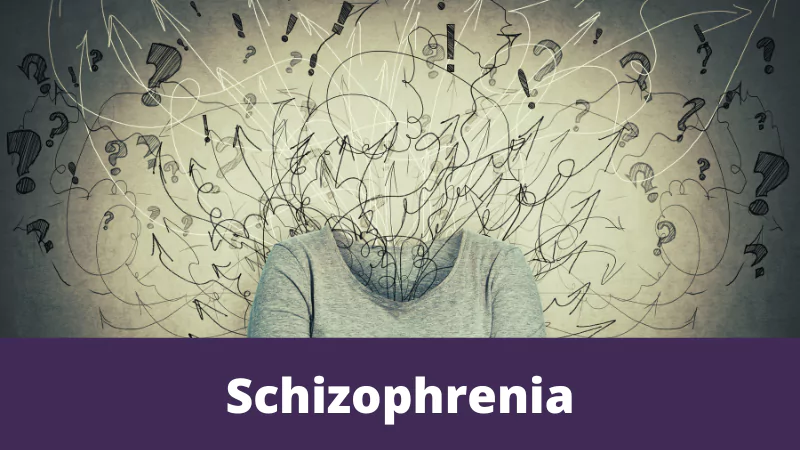
Schizophrenia is a sever mental disorder (or group of disorders) characterised by a disintegration of the process of thinking, of contact with reality, and of emotional responsiveness.

Delusions and hallucinations (especially of voices) are usual features, and the individual usually feels that their thoughts are being controlled by, or shared with, others.

Individuals often become very socially withdrawn and they lose energy and motivation.

Research

1. High levels of homocysteine have found to be a risk factor for schizophrenia. Therefore, Kevere et al (2014) wished to further examine the link between the level of homocysteine, the MTHFR C677T mutation and patients with schizophrenia. Levels of homocysteine were found to be highest in the schizophrenic group in comparison to the control group, particularly in those with the CT genotype. Overall, this study found those with increased blood homocysteine levels and the C677T mutation were at an increased risk of developing schizophrenia, especially in those with paranoid or episodic schizophrenia.

Article Here 

2. Lochman et al (2014) state a possible link between MTHFR C677T mutations, high homocysteine and schizophrenia. Through examining a group of schizophrenic patients, an increased risk of schizophrenia presentation was associated with MTHFR 677 CT and TT mutations when compared to healthy people. The authors also studied the relationship between C677T mutations and other polymorphisms associated with schizophrenia, and found a link with the ADRA2A polymorphism which governs the release of neurotransmitters (brain chemicals) from nerves within the brain. This study shows there could be malfunctioning occurring a genetic level with both the nervous system and methylation cycle, which is increasing the risk of schizophrenic development.

Related Posts

Oxalates and its effects on our health
MTHFR

Oxalates and its effects on our health

What are oxalates? Oxalates aren’t exactly well known compounds, but they can affect our health if our body doesn’t process it optimally. Oxalates are found ...
Read More →
Conditions

How Do SNPs Affecting Neurotransmitters, like MAO-A and COMT, Influence Mood and Anxiety in Patients?

Genomic medicine offers powerful insights into how genetic variations, such as single nucleotide polymorphisms (SNPs), impact neurotransmitter pathways, particularly in mood and mental health. SNPs ...
Read More →
Conditions

Genetic Susceptibility of Crohn’s Disease: Uncovering the Role of FUT2 and Other Key Factors

Crohn’s disease, a subtype of inflammatory bowel disease (IBD), presents complex challenges for both patients and practitioners. Despite advanced treatment protocols involving anti-inflammatory medications and ...
Read More →
Folate in Pregnancy
MTHFR

Folate in Pregnancy

Folate is important for so many processes in the body but arguably most importantly is the role it plays in pregnancy and fertility.  No doubt ...
Read More →
Low Homocysteine Levels: What are The Consequences?
MTHFR

Low Homocysteine Levels: What are The Consequences?

Low homocysteine occurs when homocysteine in the bloodstream drops below healthy ranges. This can impact methylation, detoxification, neurotransmitters, and energy production. Low Homocysteine Levels: What ...
Read More →
Conditions

Natural Strategies to Lower Thyroid Antibodies

Natural Strategies to Lower Thyroid Antibodies Elevated thyroid antibodies, such as TPO antibodies (thyroid peroxidase) and Tg antibodies (thyroglobulin), are hallmark markers of autoimmune thyroid ...
Read More →
Scroll to Top
Carolyn Ledowsky

Stay Connected!

Sign up for our monthly newsletter with current MTHFR research, health tips, recipes, special offers and news about upcoming events including Carolyn’s live Q&A.

Subscribe