Natural Strategies to Lower Thyroid Antibodies

Share This Post

Natural Strategies to Lower Thyroid Antibodies

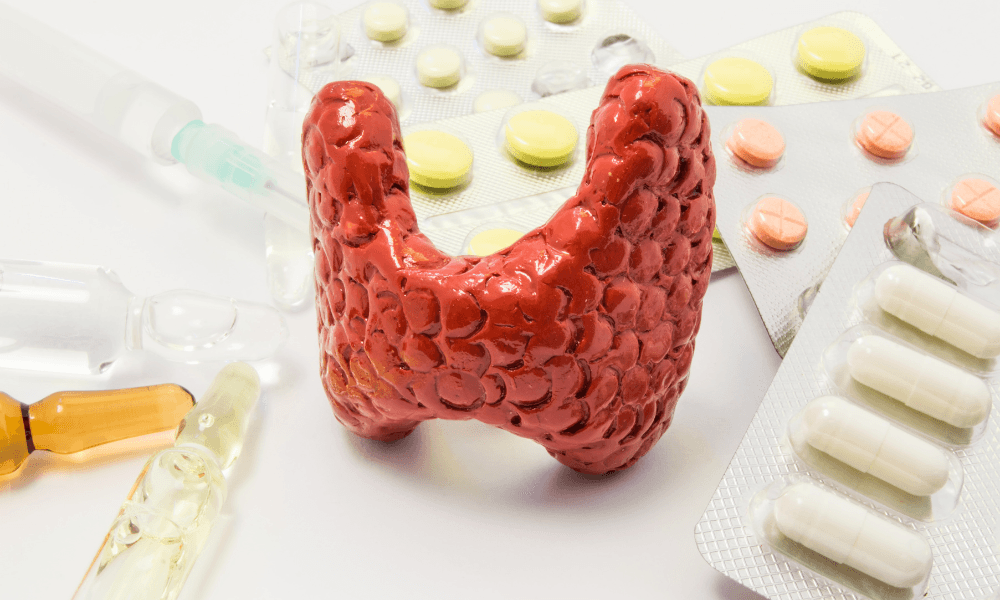
Elevated thyroid antibodies, such as TPO antibodies (thyroid peroxidase) and Tg antibodies (thyroglobulin), are hallmark markers of autoimmune thyroid disorders, including Hashimoto’s thyroiditis and Graves’ disease. These antibodies indicate immune system dysfunction, where the body mistakenly attacks the thyroid gland, leading to inflammation and impaired function.

While managing autoimmune thyroid conditions can be challenging, natural strategies that address inflammation, immune balance, and environmental triggers have shown promise in reducing thyroid antibodies and improving overall thyroid health. Here’s a practical guide for reducing thyroid antibodies naturally.


1. Adopt a Thyroid-Supportive Diet

a. Go Gluten-Free
  • Why it helps: Gluten is structurally similar to thyroid tissue, leading to a phenomenon called molecular mimicryin individuals with autoimmune conditions. Eliminating gluten can reduce antibody levels.
  • Action step: Avoid wheat, rye, barley, and processed foods containing gluten.

Would you like to read the full article?

This content is an exclusive benefit to Functional Genomics Institute members. PREMIUM MEMBERS GET ACCESS TO:

  • Premium Articles like this one regarding research updates, functional genetics and specific health concerns
  • Exclusive Ask Me Anything Forum
  • Bi-Monthly Q+A live calls with Carolyn Ledowsky
  • Full access to exclusive video trainings
  • Quarterly Deep-Dive Webinars and Case Studies

LEARN MORE

Already a subscriber? Login here

If you are a member who is logged in and are receiving this message, please ensure the cookies are enabled on your browser.

Related Posts

Role of 5-methyltetrahydrofolate (5-MTHF) in Cardiovascular Disease
Genes

Role of 5-methyltetrahydrofolate (5-MTHF) in Cardiovascular Disease

Cardiovascular disease is a major health concern. Multiple co-morbidities are responsible for increasing the cardiovascular risks some of which include hypercholesterolemia, diabetes, smoking and hypertension. ...
Read More →
Conditions

Exploring Genetic Susceptibility and the Role of FUT2 in Disease Risk

Genetic predispositions play a crucial role in shaping health outcomes, and one particular gene, FUT2 (fucosyltransferase 2), has gained attention for its wide-ranging implications. From ...
Read More →
Wild Caught Snapper with Wilted Greens
MTHFR

Wild Caught Snapper with Wilted Greens

INGREDIENTS: Serves 2 2 x 200 g (7 oz) wild-caught snapper fillets 10 g (2/5 oz) butter TERIYAKI GLAZE 60 ml (2 fl oz) tamari ...
Read More →
Is High Folic Acid Intake a Risk Factor for Autism
MTHFR

Is High Folic Acid Intake a Risk Factor for Autism?—A Review

AbstractFolate is required for metabolic processes and neural development. Insuring its adequate levels for pregnant women through supplementation of grain-based foods with synthetic folic acid ...
Read More →
Depression and MTHFR
MTHFR

Depression and MTHFR

The Link Between Depression and MTHFR Media attention has increased lately with the acknowledgement that high profile celebrities like Ian Thorpe and Charlotte Dawson have ...
Read More →
Spinberry Smoothie
MTHFR

Spinberry Smoothie

Ingredients:   1 Tsp coconut sugar 1 frozen banana 1 handful frozen or fresh berries Half a Tsp cinnamon 1 handful spinach leaves 1 cup ...
Read More →
Scroll to Top
Carolyn Ledowsky

Stay Connected!

Sign up for our monthly newsletter with current MTHFR research, health tips, recipes, special offers and news about upcoming events including Carolyn’s live Q&A.

Subscribe