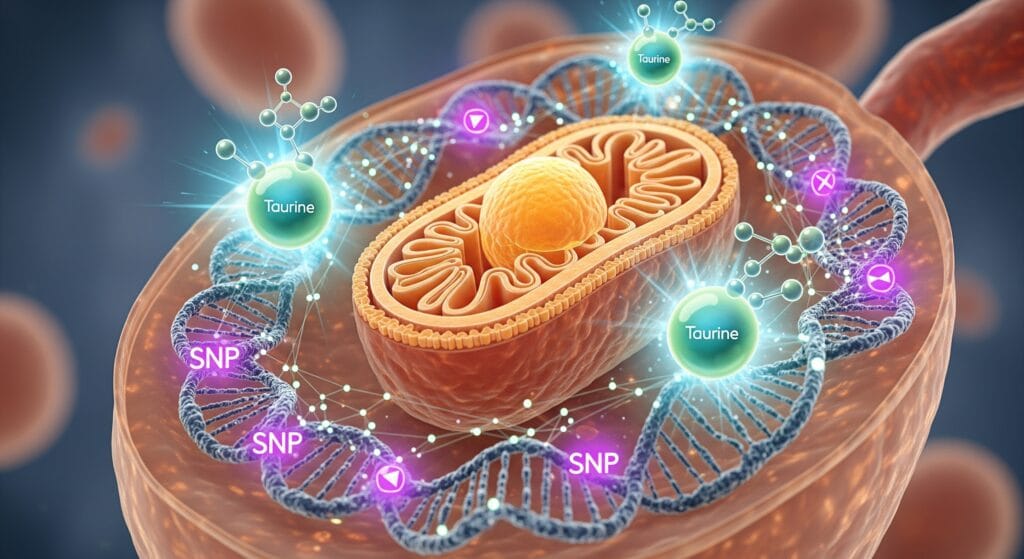
Taurine, Mitochondria, and SNPs: The Overlooked Role of a Sulfur Amino Acid in Mitochondrial Health

Share This Post

How polymorphisms in sulfur and antioxidant pathways may increase mitochondrial stress and taurine demand

Introduction

Mitochondrial dysfunction is a core feature of many chronic conditions seen in clinical practice—ranging from cardiovascular disease and neurodegeneration to diabetes, chronic fatigue, and neurodevelopmental disorders. At the cellular level, it manifests as impaired ATP production, increased oxidative stress, calcium dysregulation, and apoptosis.

While coenzyme Q10 and lipoic acid are often the go-to mitochondrial supports, recent research highlights a lesser-known but critical player in mitochondrial stability: taurine. This sulfur-containing amino acid is abundant in excitable tissues like the brain, heart, and skeletal muscle, and plays a pivotal role in protecting mitochondria from damage.


Would you like to read the full article?

This content is an exclusive benefit to Functional Genomics Institute members. PREMIUM MEMBERS GET ACCESS TO:

  • Premium Articles like this one regarding research updates, functional genetics and specific health concerns
  • Exclusive Ask Me Anything Forum
  • Bi-Monthly Q+A live calls with Carolyn Ledowsky
  • Full access to exclusive video trainings
  • Quarterly Deep-Dive Webinars and Case Studies

LEARN MORE

Already a subscriber? Login here

If you are a member who is logged in and are receiving this message, please ensure the cookies are enabled on your browser.

Related Posts

What is Methylation
Genes

What is Methylation

Methylation, the process of activating a molecule through the addition of a methyl group, is required to ensure the proper functioning of metabolic pathways and ...
Read More →
MTHFR

The Science of Serotonin: How MAOA, BH4, and Inflammation Hijack Mood

Serotonin has become a household name. It’s often blamed for depression, and targeted by SSRIs. But as any functional practitioner knows, it’s rarely that simple. ...
Read More →
Fertility

Bisphenol A: Why It’s Bad and How to Avoid It

BPA or Bisphenol A is a common chemical found in plastics and has been in large scale industrial use since the 1960’s. This chemical is ...
Read More →
Vitamin B12 – The Reference Range Level is Set too Low
Genes

Vitamin B12 – The Reference Range Level is Set too Low

As a statement made by one of the leaders in vitamin B12 field more than 10 years ago, Carmel’s idea of “cobalamin deficiency should not ...
Read More →
Prenatal Folate and Homocysteine Affect Children’s IQs
MTHFR

Prenatal Folate and Homocysteine Affect Children’s IQs

Folate is important for the overall methylation and synthesis of DNA, which is critical to your baby’s development. But it’s particularly essential for the growth ...
Read More →
Conditions

5 Secrets To Explain Genomic Test Results to Patients Without Overwhelming Them

Genomic testing offers profound insights into a patient’s unique genetic makeup, helping identify specific areas where they may need support. However, with the depth and ...
Read More →
Scroll to Top
Carolyn Ledowsky

Stay Connected!

Sign up for our monthly newsletter with current MTHFR research, health tips, recipes, special offers and news about upcoming events including Carolyn’s live Q&A.

Subscribe