What are SNPs, and why are they important in clinical practice?

Share This Post

What are SNPs, and why are they important in clinical practice?

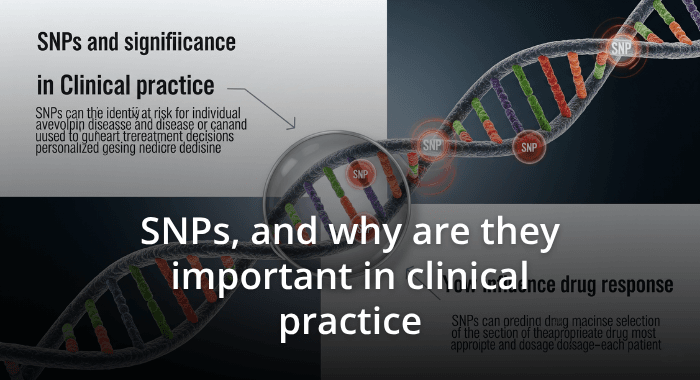
SNPs, or single nucleotide polymorphisms, are the most common type of genetic variation. They occur when a single nucleotide (one of the basic structural units of DNA, represented by the letters A, T, C, and G) is replaced with another at a specific position in the genome. This small change in the genetic code can alter how a gene functions by influencing how it is transcribed into RNA or translated into proteins, or by affecting regulatory regions that control gene expression. While many SNPs have no impact on health, others can influence how genes function and, in turn, affect various biological processes such as detoxification, methylation, neurotransmitter synthesis, or hormone metabolism.

For example, an SNP in the MTHFR gene may result in reduced enzyme activity, impairing the body’s ability to process folate and methylate DNA. Similarly, SNPs in the COMT gene can affect dopamine and estrogen metabolism, influencing mood, stress response, and hormonal balance.

Would you like to read the full article?

This content is an exclusive benefit to Functional Genomics Institute members. PREMIUM MEMBERS GET ACCESS TO:

  • Premium Articles like this one regarding research updates, functional genetics and specific health concerns
  • Exclusive Ask Me Anything Forum
  • Bi-Monthly Q+A live calls with Carolyn Ledowsky
  • Full access to exclusive video trainings
  • Quarterly Deep-Dive Webinars and Case Studies

LEARN MORE

Already a subscriber? Login here

If you are a member who is logged in and are receiving this message, please ensure the cookies are enabled on your browser.

Related Posts

MTHFR and Fertility Complications
Conditions

MTHFR and Fertility Complications

You’re ready to become a parent. You replaced birth control pills with prenatal vitamins, expecting to be expecting any day now. After a few months, ...
Read More →
Conditions

How Do SNPs Affecting Neurotransmitters, like MAO-A and COMT, Influence Mood and Anxiety in Patients?

Genomic medicine offers powerful insights into how genetic variations, such as single nucleotide polymorphisms (SNPs), impact neurotransmitter pathways, particularly in mood and mental health. SNPs ...
Read More →
Carolyn’s Personal COVID Experience
MTHFR

Carolyn’s Personal COVID Experience

Well it was inevitable, like thousands of other Australian’s right now I became ill with COVID. On New Year’s Day no less. For perspective, I ...
Read More →
Is MTHFR Related to Anaemia?
Genes

Is MTHFR Related to Anaemia?

Anaemia is considered to be one of the most common blood conditions in the world. This condition relates to the abnormal or lack of functioning ...
Read More →
Haddock in Tomato and Basil Sauce
MTHFR

Haddock in Tomato and Basil Sauce

This delicious recipe sourced from the Iodine global network contains 324 mcg of iodine SERVES 4 Ingredients 400g x 1 can tomatoes, canned, whole contents ...
Read More →
Conditions

Nutritional Clues in Recurrent Vaginitis During Pregnancy: What Practitioners Need to Know

Nutritional Clues in Recurrent Vaginitis During Pregnancy: What Practitioners Need to Know Recurrent vaginitis during pregnancy remains a challenging clinical concern with potential implications for ...
Read More →
Scroll to Top
Carolyn Ledowsky

Stay Connected!

Sign up for our monthly newsletter with current MTHFR research, health tips, recipes, special offers and news about upcoming events including Carolyn’s live Q&A.

Subscribe