Oxalate-Degrading Probiotics: A New Frontier in Kidney Stone Prevention

Share This Post

Kidney stones aren’t just a dietary issue—they’re a microbial one. Here’s how the absence of one bacterial species could reshape how we think about nephrolithiasis.

What We Miss When We Only Focus on Oxalate Intake

Calcium oxalate stones are the most common type of kidney stone—and if you’ve had one, the recurrence risk is high. The standard advice hasn’t changed much in decades: drink more water, reduce oxalate-rich foods, and (paradoxically) keep your calcium intake stable. All important. But something’s missing.

As it turns out, the most decisive variable in oxalate handling may not be what you eat—but what your gut bacteria do with it.

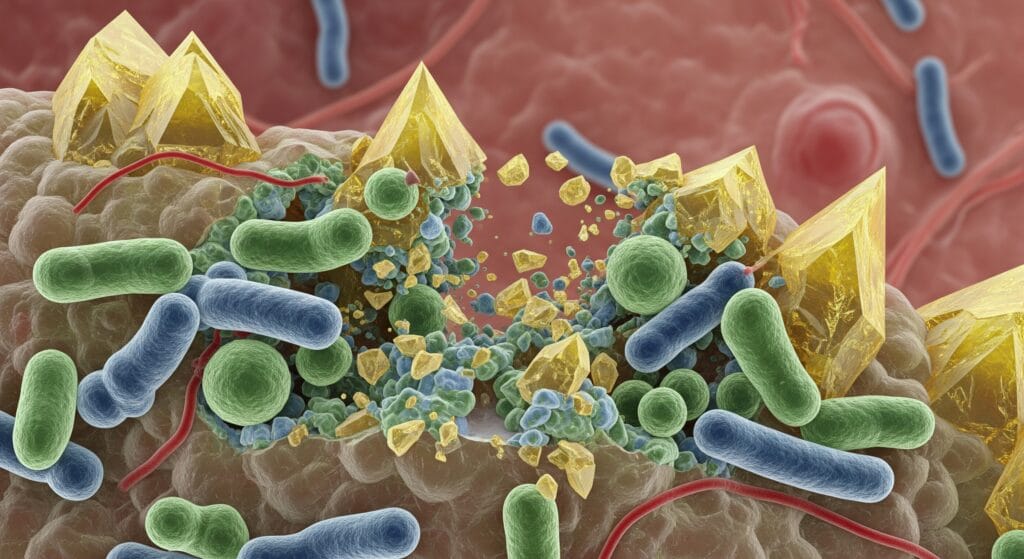
This is not just theoretical. We now know that certain microbes—particularly Oxalobacter formigenes—can degrade oxalate in the gut before it’s absorbed into circulation. And if that mechanism fails? The burden shifts to the kidneys.

Let’s unpack this, piece by piece.

Would you like to read the full article?

This content is an exclusive benefit to Functional Genomics Institute members. PREMIUM MEMBERS GET ACCESS TO:

  • Premium Articles like this one regarding research updates, functional genetics and specific health concerns
  • Exclusive Ask Me Anything Forum
  • Bi-Monthly Q+A live calls with Carolyn Ledowsky
  • Full access to exclusive video trainings
  • Quarterly Deep-Dive Webinars and Case Studies

LEARN MORE

Already a subscriber? Login here

If you are a member who is logged in and are receiving this message, please ensure the cookies are enabled on your browser.

Related Posts

What Is Glyphosate And How Can It Affect Our Health?
MTHFR

What Is Glyphosate And How Can It Affect Our Health?

Roundup is a popular brand of herbicide by Monsanto and has been making rounds not because of how great a product it is but because ...
Read More →
Why are foods fortified with folic acid?
MTHFR

Why are foods fortified with folic acid?

When it comes to fertility, we know that folate is one of the most important nutrients needed for miscarriage prevention as it directly impacts the ...
Read More →
How Camping Can Improve Your Sleep
Genes

How Camping Can Improve Your Sleep

Our Environments Are Artificial In today’s age our environments are almost completely artificial, we have artificial light, artificial environments, artificial food (think packaged and fast ...
Read More →
Can Methylation affect Immune Function?
Genes

Can Methylation affect Immune Function?

The immune system protects the body from external threats such as viruses, bacteria, parasites, and chemicals. The key to the functioning of the immune system ...
Read More →
MTHFR

Unravelling Histamine’s Impact on Fertility: A Closer Look at its Positive and Negative Roles in Implantation and Miscarriage

When it comes to the journey of conception and pregnancy, there’s a complex interplay of various factors that influence the process. One such factor that ...
Read More →
Conditions

A Post-Pregnancy Thyroid Case Study: What Practitioners Need to Know

Postpartum thyroid dysfunction is a common yet under-recognised condition that can significantly impact a new mother’s health. The physiological and hormonal changes of pregnancy and ...
Read More →
Scroll to Top
Carolyn Ledowsky

Stay Connected!

Sign up for our monthly newsletter with current MTHFR research, health tips, recipes, special offers and news about upcoming events including Carolyn’s live Q&A.

Subscribe